Baby and kids furniture plays a crucial role in shaping a child’s early environment. It is not only about aesthetics, but also about safety, comfort, durability, and how well the furniture supports a child’s growth and development. From the first crib a newborn sleeps in to the study desk a child uses during school years, every piece of furniture contributes to daily routines and long-term habits.
In recent years, parents, interior designers, and childcare businesses have become increasingly selective when choosing baby and kids furniture. Concerns about materials, safety standards, sustainability, and ergonomic design are now just as important as visual appeal. This article provides a detailed and specific exploration of baby and kids furniture, covering categories, materials, safety considerations, design trends, and long-term value.
Understanding Baby Furniture and Its Core Functions
Baby furniture is specifically designed for infants and toddlers, typically from birth to around three years old. At this stage, furniture must prioritize safety and functionality above all else. Babies are highly vulnerable, and their furniture must meet strict requirements to ensure protection during sleep, play, and daily care routines.
The most essential baby furniture items usually include cribs, bassinets, changing tables, storage units for baby essentials, and sometimes rocking chairs or nursing chairs. Each item serves a specific function that supports both the baby’s needs and the parents’ daily activities. For example, a well-designed crib ensures safe sleep, while a changing table provides ergonomic support for caregivers during diaper changes.
Beyond functionality, baby furniture also contributes to creating a calming and nurturing environment. Soft colors, natural materials, and simple designs are commonly used to reduce overstimulation and promote restful sleep. Furniture at this stage often reflects a balance between practicality and emotional comfort.
Kids Furniture: Supporting Growth and Independence
Kids furniture generally refers to furniture designed for children aged three and above. At this stage, children begin to develop independence, motor skills, and personal preferences. Furniture must adapt to their increasing activity levels while remaining safe and durable.
Common kids furniture includes beds, wardrobes, desks, chairs, toy storage units, bookshelves, and play tables. Unlike baby furniture, kids furniture often emphasizes multifunctionality and adaptability. For example, adjustable desks and chairs can grow with the child, accommodating changes in height and posture over several years.
Kids furniture also plays a role in shaping behavior and habits. Well-organized storage encourages responsibility, while comfortable study furniture supports focus and learning. Design elements become more expressive at this stage, allowing children to feel a sense of ownership over their personal space.
Safety Standards in Baby and Kids Furniture
Safety is the most critical aspect of baby and kids furniture. Children are naturally curious and active, which increases the risk of accidents if furniture is poorly designed or made from unsafe materials. Manufacturers and buyers alike must pay close attention to safety standards and certifications.
One of the most important safety considerations is structural stability. Furniture must be sturdy enough to prevent tipping, even when children climb or pull on it. Rounded edges and smooth finishes help reduce the risk of injuries from bumps and falls. Additionally, furniture should be free from small detachable parts that could pose choking hazards.
Material safety is equally important. Finishes, paints, and adhesives must be non-toxic and free from harmful chemicals such as lead or excessive formaldehyde. Ventilation gaps in cribs and beds must be designed to prevent entrapment while allowing proper airflow. Compliance with international safety standards is often a key indicator of quality and reliability.
Materials Used in Baby and Kids Furniture
The choice of materials significantly affects the safety, durability, and sustainability of baby and kids furniture. Parents and buyers are increasingly drawn to natural and eco-friendly materials that are both safe for children and environmentally responsible.
Solid wood is one of the most popular materials used in baby and kids furniture. It is valued for its strength, longevity, and natural appearance. Wood such as teak, beech, pine, and rubberwood is commonly used due to its durability and resistance to wear. When properly treated with child-safe finishes, solid wood furniture can last for many years and even be passed down to younger siblings.
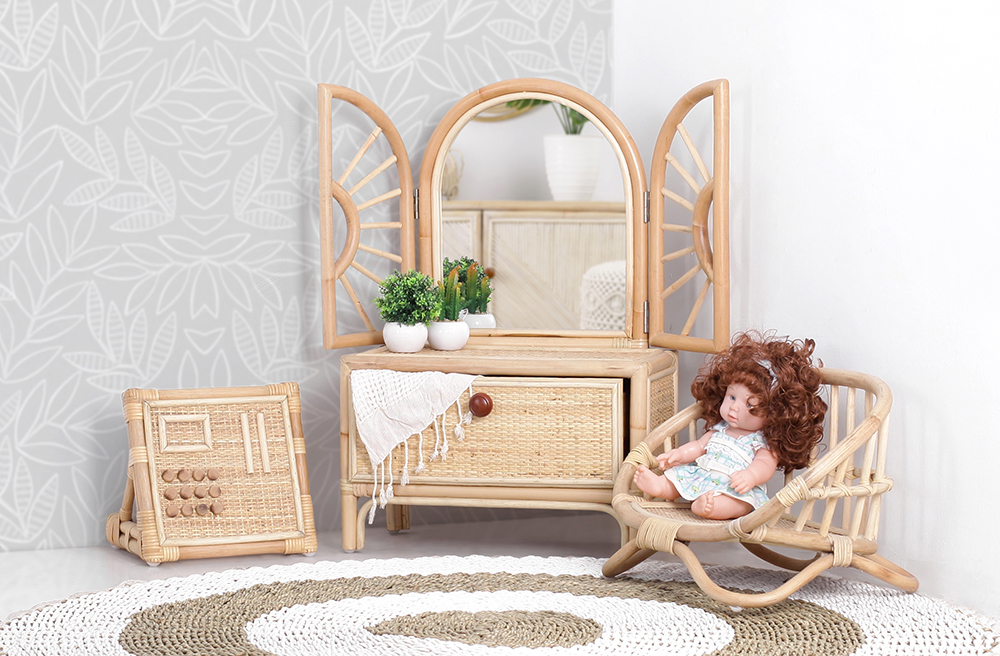
Engineered wood and plywood are also used, particularly in modern designs. High-quality engineered wood can offer stability and cost efficiency, but it must meet strict emission standards to ensure safety. Other materials such as rattan, wicker, and bamboo are often used for decorative or lightweight furniture, adding warmth and texture to children’s spaces.
Eco-Friendly and Sustainable Kids Furniture
Sustainability has become a major consideration in the baby and kids furniture industry. Parents are increasingly aware of the environmental impact of the products they purchase, especially for their children. Eco-friendly furniture focuses on responsible sourcing, low-emission materials, and long-term usability.
Sustainable baby and kids furniture often uses certified wood from responsibly managed forests. Natural finishes, water-based paints, and low-VOC adhesives help create healthier indoor environments. Additionally, durable construction reduces the need for frequent replacements, minimizing waste over time.
Another important aspect of sustainability is design longevity. Furniture that can adapt as a child grows, such as convertible cribs or adjustable desks, reduces the overall consumption of resources. This approach not only benefits the environment but also offers better value for families and businesses.
Design and Aesthetic Considerations
Design plays an important role in baby and kids furniture, as it influences both functionality and emotional well-being. While safety and durability remain priorities, modern furniture also emphasizes clean lines, neutral color palettes, and timeless styles.
For baby furniture, minimalist designs are often preferred. Soft tones such as white, beige, pastel gray, or natural wood create a soothing atmosphere. Simple designs also make it easier to integrate furniture into different interior styles, from modern to classic.
Kids furniture allows for more creativity and personalization. Bright colors, playful shapes, and themed designs can make spaces more engaging for children. However, many designers now focus on balanced aesthetics that combine playful elements with long-term usability, ensuring that furniture remains relevant as children grow.
Storage Solutions for Baby and Kids Rooms
Effective storage is essential in baby and kids rooms, where toys, clothes, books, and daily essentials can quickly create clutter. Well-designed storage furniture helps maintain organization while teaching children the importance of tidiness.
For babies, storage often includes drawers, shelves, and cabinets integrated into changing tables or cribs. These designs allow parents to keep necessities within reach while maintaining a clean and organized space. As children grow, storage furniture becomes more accessible, encouraging independence.
Kids storage furniture often includes open shelves, toy boxes, and modular units that children can easily use on their own. Clear organization supports learning and creativity, as children can easily find and return their belongings. Durable materials and child-friendly designs ensure that storage furniture can withstand daily use.
Bedroom Furniture for Babies and Children
The bedroom is one of the most important spaces for a child’s development. It is where they sleep, rest, and often play or study. Bedroom furniture must support these activities while maintaining a safe and comfortable environment.
For babies, the crib is the centerpiece of the bedroom. A well-designed crib provides a secure sleeping area with proper ventilation and spacing. As children transition out of cribs, toddler beds and later full-sized beds become central pieces of furniture. These beds often include safety rails and low heights to reduce the risk of falls.
Additional bedroom furniture such as wardrobes, nightstands, and desks must be proportionate to a child’s size. Ergonomic considerations are especially important for desks and chairs, as proper posture supports healthy physical development and concentration during learning activities.
Play Furniture and Learning-Oriented Designs
Play is a fundamental part of childhood, and furniture designed for play and learning supports cognitive and physical development. Play furniture includes items such as activity tables, play kitchens, drawing desks, and reading corners.
These furniture pieces are designed to encourage creativity, exploration, and social interaction. Child-sized proportions allow kids to interact comfortably with their environment, building confidence and independence. Durable construction ensures that play furniture can handle frequent use and energetic activities.
Learning-oriented furniture often combines play with educational elements. Adjustable desks, comfortable seating, and well-organized storage support study routines and help children develop focus and responsibility from an early age.
Long-Term Value and Durability
Investing in high-quality baby and kids furniture offers long-term benefits. Durable furniture reduces the need for frequent replacements, saving money and resources over time. Well-made furniture can adapt to different stages of a child’s life, providing consistent functionality and comfort.
Convertible designs are particularly valuable, such as cribs that transform into toddler beds or desks that adjust in height. These features extend the lifespan of furniture and make it more practical for growing families. Timeless designs also ensure that furniture remains aesthetically pleasing as trends change.
From a business perspective, durable and well-designed kids furniture builds trust and credibility. Customers are more likely to invest in furniture that offers proven safety, longevity, and thoughtful design.
Choosing the Right Baby and Kids Furniture
Selecting the right baby and kids furniture requires careful consideration of safety, materials, design, and functionality. Parents and buyers should evaluate how furniture fits into daily routines and long-term needs. Measuring available space, understanding age-specific requirements, and prioritizing quality are all essential steps.
It is also important to consider the source and manufacturing process of furniture. Reputable manufacturers emphasize quality control, ethical production, and compliance with safety standards. Transparent information about materials and certifications adds an extra layer of trust for buyers.
Ultimately, the right baby and kids furniture creates a supportive environment where children can grow, learn, and feel secure. Thoughtful furniture choices contribute not only to a child’s comfort and safety but also to their overall development and well-being.
Baby and Kids Furniture for Childcare Space
Baby and kids furniture is far more than a decorative element in a home or childcare space. It is an essential foundation for safety, comfort, and development during the most important years of a child’s life. From carefully designed baby cribs to adaptable kids desks and storage units, each piece of furniture plays a role in shaping daily experiences.
By focusing on safe materials, durable construction, thoughtful design, and long-term usability, baby and kids furniture can provide lasting value for families and businesses alike. Investing in well-crafted furniture ensures that children are supported at every stage of growth, creating spaces that are functional, inspiring, and built to last.