The universe of dollhouse furniture is far more than a collection of tiny chairs and miniature beds. It is a world shaped by creativity, craftsmanship, and the timeless joy of storytelling. Across generations, dollhouses and the furniture inside them have inspired children to imagine homes, families, stories, and spaces that reflect the world around them. As modern parents and educators place more emphasis on quality materials, natural aesthetics, and child-safe products, the dollhouse industry has evolved to mirror these values. One of the most fascinating shifts in recent years is how the charm of natural materials such as rattan—already popular in kids furniture—has started gaining visibility in miniature form as well.
This article explores the depth of dollhouse furniture as a craft, a play tool, and a developmental resource, while also highlighting the growing connection between miniature pieces and the global interest in rattan kids furniture.
Why Dollhouse Furniture Holds a Timeless Appeal
Dollhouse furniture has captivated children and adults for centuries. Historically, these miniature pieces were used as educational tools to teach household management or social etiquette. Over time, they transformed into treasured collectibles and beloved toys that encourage imagination and emotional development.
Part of its lasting charm comes from the ability to personalize spaces. Children can arrange, rearrange, and recreate interiors as many times as they wish without limits. This freedom makes dollhouse furniture more than play—it becomes a creative exercise that blends design, storytelling, and hands-on interaction. For adults, the appeal often lies in craftsmanship. Miniature artisans invest extraordinary attention to detail, carving tiny wooden pieces, weaving miniature baskets, or upholstering dollhouse sofas with precision that rivals full-size furniture making.
The resurgence of handmade products, sustainable materials, and nostalgic aesthetics has only strengthened the global love for well-crafted dollhouse sets. They represent simplicity, comfort, and artistry—qualities that resonate strongly with today’s design-conscious families.
Materials That Define Modern Dollhouse Furniture
Traditionally, dollhouse furniture was made of wood, often carved by hand. Today, the materials have diversified, and each brings its own charm. Wood still remains a favorite because of its durability, safety, and natural look. It provides a warm, realistic aesthetic that complements both vintage and modern dollhouse styles. Plastic, meanwhile, became popular due to affordability and mass production, although many families now look for more eco-friendly alternatives.
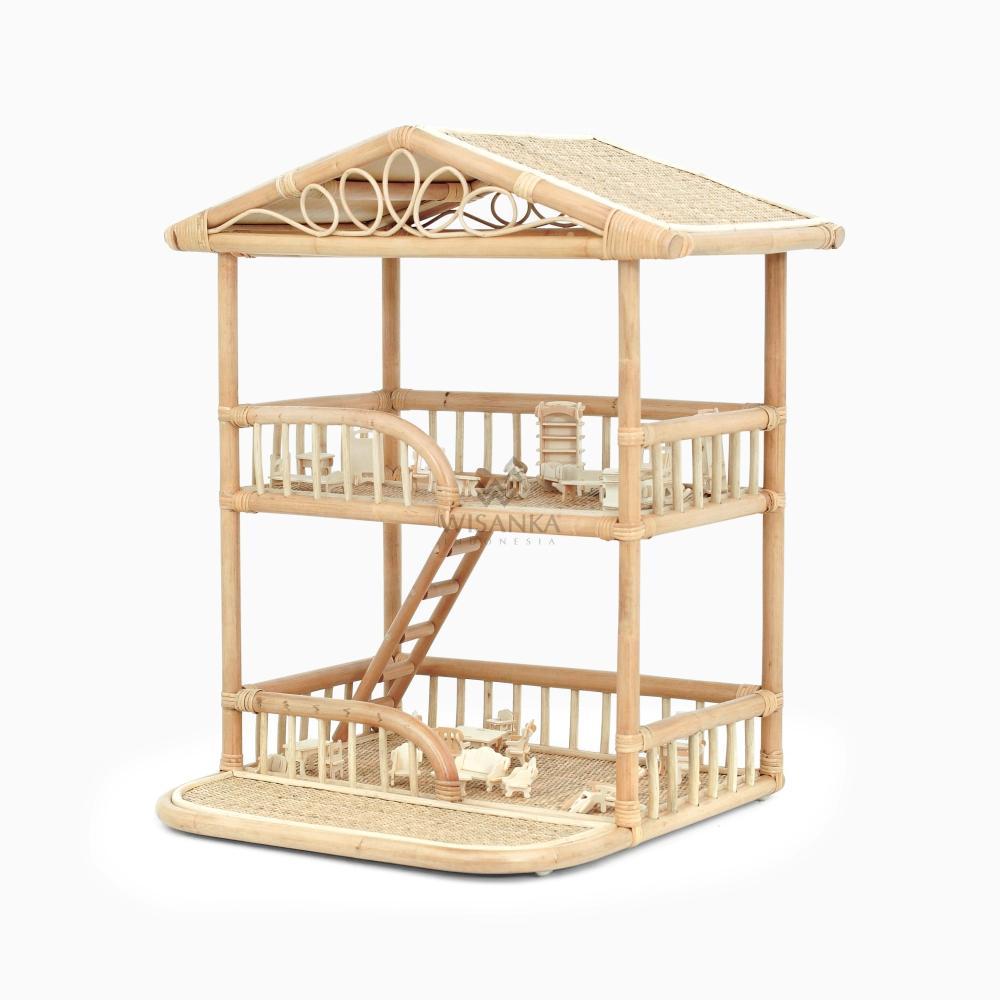
A particularly growing trend is the use of natural materials inspired by real-world kids furniture. Rattan, bamboo, and wicker are making their way into dollhouse furniture designs, mirroring the global rise in natural-material interiors. Miniature rattan cribs, tiny wicker baskets, and handcrafted cane chairs create a stunning level of authenticity. They also offer a refreshing aesthetic that blends boho, Scandinavian, and eco-friendly design influences.
This shift in miniature craftsmanship reflects a broader cultural movement: consumers across the world increasingly favor sustainable, natural, and non-toxic furnishings for their children. As rattan kids furniture gains popularity in nurseries and playrooms, dollhouse makers naturally follow the same inspiration, crafting miniature versions that echo the looks of the real products.
The Artistic Craftsmanship Behind Every Miniature Piece
Creating dollhouse furniture is a specialized art. Whether made from wood, rattan, metal, or fabric, each piece requires precision and careful execution. Craftsmen often rely on techniques similar to full-scale furniture manufacturing, only in miniature form. They carve, sand, weave, polish, and assemble components with incredible accuracy to ensure the piece retains realistic proportions and functional details.
Miniature weaving, especially for rattan-style dollhouse furniture, requires delicate handiwork. Craftspeople often use thin strips of natural fibers or fine synthetic alternatives to capture the beauty of rattan patterns. The result is enchanting: small rocking chairs that look almost identical to their real-life rattan counterparts, tiny bassinets with elegant curves, and miniature dining chairs with woven seats.
Parents who value handmade and artisanal products appreciate these tiny masterpieces not only for their beauty but also for their craftsmanship. Dollhouse furniture is often passed down from one generation to the next, making it both a decorative item and a sentimental treasure.
Dollhouse Furniture as a Development Tool for Children
While dollhouse sets are undeniably cute, their value extends far beyond aesthetics. They have a remarkable impact on child development. Through arranging miniature rooms, children learn spatial awareness, problem-solving skills, and fine motor coordination. By imagining scenarios, they develop emotional intelligence, empathy, and language abilities. Dollhouse furniture is also a neutral, open-ended toy, allowing children from any background or culture to project their own ideas and experiences onto the tiny world they create.
Rattan dollhouse furniture aligns beautifully with Montessori-inspired learning environments, which emphasize natural materials and sensory-rich experiences. The textures, shapes, and warm colors of rattan provide additional tactile stimulation. The connection between miniature rattan pieces and full-size rattan kids furniture enhances the child’s understanding of real-world objects, helping them relate playtime to their everyday environment.
As sustainability becomes a priority for modern parents, natural-material dollhouse pieces also reinforce early lessons about eco-conscious living. When children grow up surrounded by objects crafted with care and ethical values, they build an appreciation for quality and mindful consumption.
The Influence of Real-World Rattan Kids Furniture on Miniature Design
Rattan kids furniture has become a global favorite in recent years. Its natural appearance, lightweight structure, and durability make it ideal for rooms designed for children. Items such as rattan cribs, toddler beds, small chairs, and decorative baskets create warm, comforting, and stylish interiors. The rise of boho and nature-inspired design movements has also played a major role in its popularity.
As these products fill modern nurseries and playrooms, dollhouse manufacturers have embraced the trend by creating miniature versions. This connection is powerful because children often imitate what they see in their real environments. When they find the same styles in their dollhouse sets, their play becomes more relatable and meaningful.
Manufacturers of rattan kids furniture—especially those with decades of expertise—sometimes craft matching miniature sets for collectors or for branding purposes. These tiny versions provide an opportunity for parents to introduce the beauty of natural materials to their children at a young age. The harmony between full-size and miniature rattan furniture creates a cohesive visual and sensory experience that enhances the entire play environment.
Design Trends Shaping the Future of Dollhouse Furniture
One of the most prominent trends is the return to natural aesthetics. Clean lines, muted colors, and earthy textures dominate both interior design and dollhouse furniture. This shift is heavily influenced by Scandinavian and boho styles, which favor warmth, simplicity, and nature-infused elements. Rattan sits comfortably within these trends, whether in its full-size kids furniture form or in miniature pieces.
Another trend is customization. Families increasingly seek dollhouse furniture that reflects their personal style, cultural identity, or household environment. Artisans respond by offering custom weaving patterns, unique wood finishes, or miniature replicas of actual furniture pieces. Dollhouses become an extension of a family’s aesthetic identity.
Sustainability is also a defining movement. Many buyers prefer ethically sourced wood, natural fibers, and handcrafted pieces that support local artisans. This value-driven approach mirrors the growing popularity of eco-friendly rattan kids furniture, further strengthening the connection between life-size and miniature products.
Why Dollhouse Furniture and Rattan Kids Furniture Complement Each Other
The relationship between dollhouse furniture and rattan kids furniture is rooted in shared principles: natural beauty, craftsmanship, child safety, and longevity. Both are designed to enrich a child’s environment, whether through imaginative play or functional use. When rattan elements appear in both the real and miniature world, they create a consistent aesthetic that children intuitively appreciate.
Parents value the durability and timeless appeal of rattan. Its presence in dollhouse furniture reinforces its charm, allowing children to explore textures and styles that are familiar yet magical in miniature form. This harmony enhances the emotional connection children form with their toys and surroundings.
As global awareness grows around sustainable living and high-quality handcrafted goods, the partnership between miniature craftsmanship and rattan kids furniture will likely continue to flourish. These two worlds complement each other beautifully, merging imagination with design sensibility.
A Miniature World Full of Discovery
Dollhouse furniture represents more than decoration or play. It is a bridge between creativity and craftsmanship, childhood and artistry, imagination and design. As families increasingly choose natural materials in their homes—especially through the rise of rattan kids furniture—the miniature world adapts as well, producing tiny, beautiful pieces that reflect global tastes and eco-conscious values.
Through its charm, detail, and storytelling potential, dollhouse furniture continues to inspire people of all ages. And with the influence of rattan aesthetics, it is evolving into an even more captivating expression of beauty, culture, and childhood wonder.